Michael Crichton – Jurassic Park

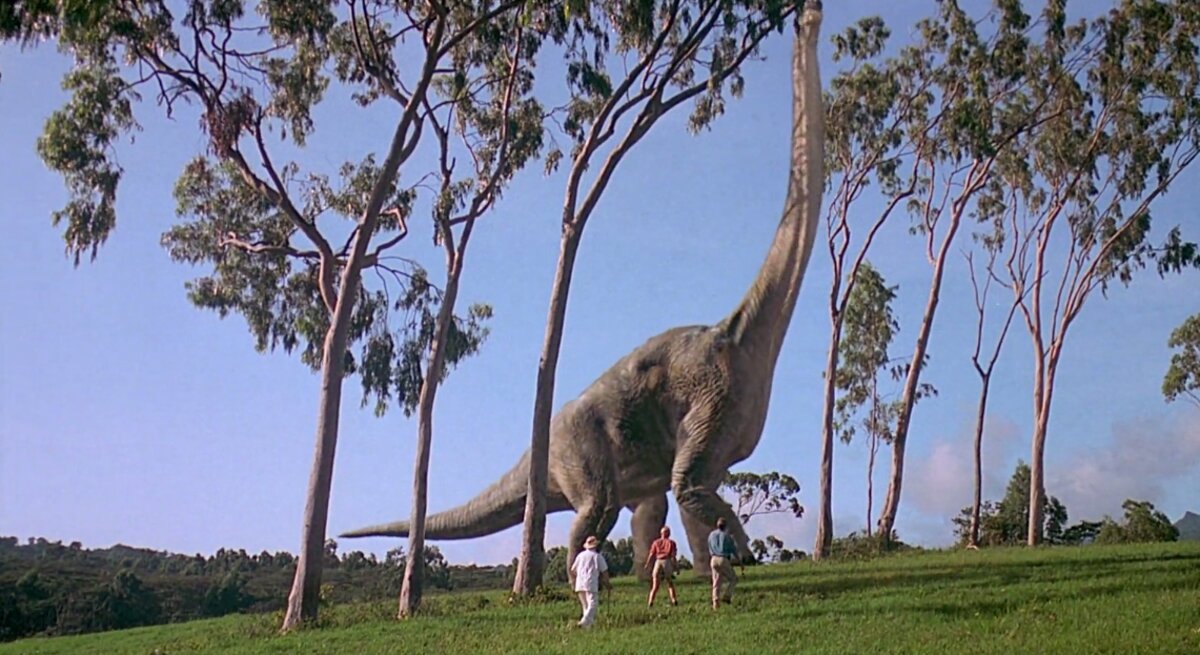
About a decade ago, I was browsing for novels at a used bookstore. The shopkeeper pushed Jurassic Park into my hands. “You will like this book. It’s a best seller.”
The shop didn’t have any John Grisham novel that I hadn’t already read. I bought Jurassic Park unenthusiastically, only after he assured me that he will get new books in his stock by next week.
“I will give it a read once over the weekend; after all, I will get new novels next week. Who is this Michael Crichton, anyway?”
I thought this is just a novelization of the movie Jurassic Park. At best, it would be just an okay novel.
I could not have been more wrong.
This novel started my long-standing interest in anything Michael Crichton. I devoured all his books. Read his non-fiction work. Looked up and listened to all his interviews and speeches that I could find on the internet.
I don’t recall any other author whose death made me feel a personal loss.
More Than a Dinosaur Story
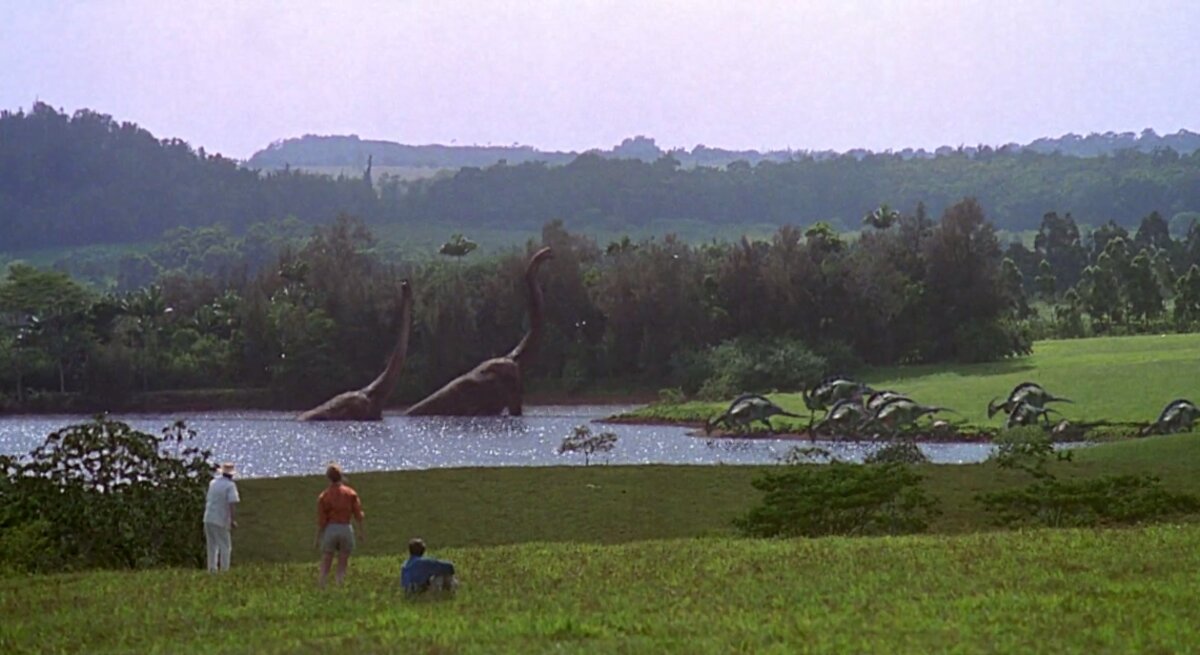
On its face value, this novel is about an ambitious theme park that brings dinosaurs to life using modern genetic technology.
The theme park develops critical problems during inspection before it is opened for the general public. Like a domino effect, these problems balloon to unmanageable proportions. Dinosaurs go berserk and destroy everything.
You see, dinosaurs brought back to life. You see the mayhem and deaths.
But that’s not all.
What Crichton Is Really Warning About
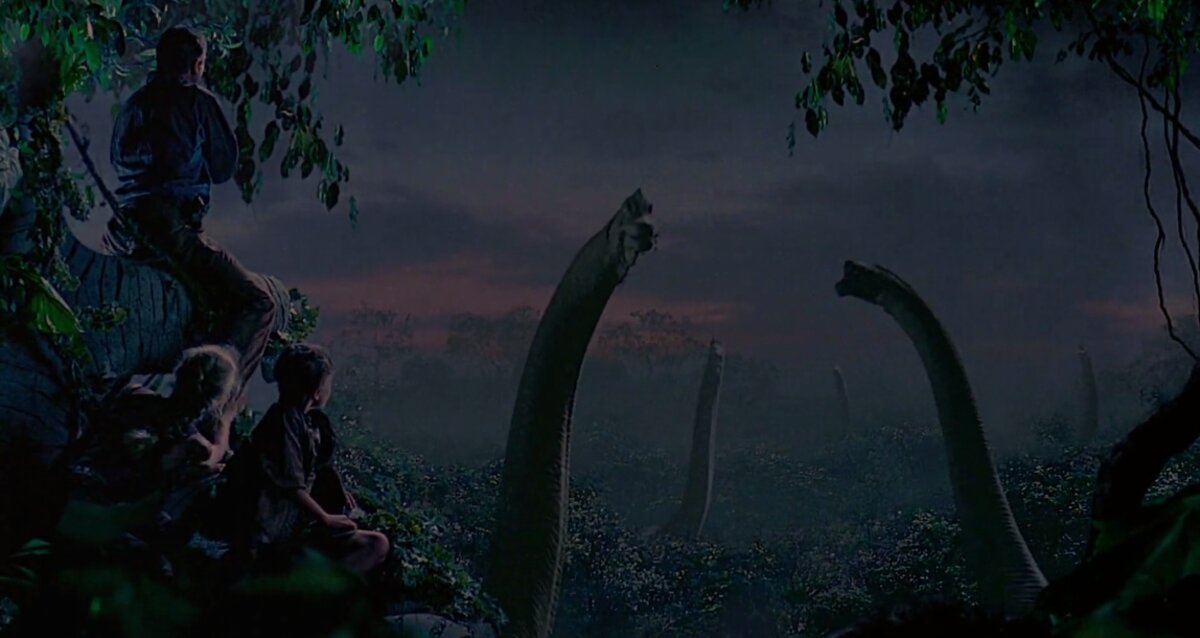
Like most of his other work, Crichton has a cautionary tale to tell.
That technology is not neutral. That, for all our advancements and strides, we humans are pesky minuscule creations in the universe.
That nature is unfathomably powerful and cannot be tamed. That our best-laid plans will go awry. That the arrogance and vanity are our ultimate undoing.
After already going through works of Neil Postman like Technopoly and Nicholas Carr’s The Shallows, I find the theme of Jurassic Park relatable.
There is a lot that we don’t understand and cannot predict or create a contingency plan for. We do it anyway. We then face the problems.
We pour down a fortune and spend a lifetime fixing it. By the time we have perfected the solution, some other problem has become a full-blown crisis.
Social commentators start hollering about it, a new generation of scientists focus their attention on it, and the cycle continues.
During the 1990s and early 2000, you would see the term “global village” thrown around a lot. Technology, especially the internet, was supposed to bring us all together.
Fast forward to the late 2010s. Surprise surprise! We have hordes of people going against vaccination, the rise of racist movements, and whatnot. I see people in remote areas of Pakistan, using the same argument against vaccinations that I see on American Facebook groups and fringe websites.
It turned out that the internet provides a perfect medium to spread any ideology, information, or disinformation, and find and organize like-minded people. I wonder if the proponents of the “global village” imagined the possibility of fake news. Or even understood any of its implications.
Where the Writing Lets You Down
The literary merits of the novel Jurassic Park are not much to write about.
A large portion of the novel is expository. Although exposition is expected in sci-fi literature, this one takes it to the extreme.
Ian Malcolm, the author surrogate in the story, goes into long-winded speeches every few pages. It is as if he hasn’t heard of brevity.
“But if I have a weather system that starts up with a certain temperature and a certain wind speed and a certain humidity—and if I then repeat it with almost the same temperature, wind, and humidity—the second system will not behave almost the same. It’ll wander off and rapidly will become very different from the first. Thunderstorms instead of sunshine. That’s nonlinear dynamics. They are sensitive to initial conditions: tiny differences become amplified.”
Most of the dialogue is not engaging, and in some places it reads like prose from a general knowledge or science book.
Sometimes characters disappear in the middle of the scene. It is as if Crichton decided to push them back and not to be bothered with them for a while.
They would be present in the setting, but they won’t say a word. The writer does not tell you what they are doing.
It reminds me of non-player characters (NPC) in video games. Once the NPC has said its dialogues, it stands idly and does not engage with the game’s players.
I got this feeling when reading the part where Harding, Elli, and Gennaro are taking a ride in a separate jeep back to the Safari Lodge. The back and forth between the characters was artificial and forced.
Gennaro decided to accompany Elli, possibly because he wanted to flirt with her. It is mentioned once, but you don’t see anything about it while they both are together.
Or when T-Rex attacked the car kids were in. During the attack, you do not see any reaction from Grant and Ian Malcolm, who were sitting in the other car.
Moreover, why did Arnold and others assume Grant and the kids were alive when they went missing? It’s a big island with many different dinosaurs. For all they knew, they could be dead anywhere in the park or lying paralyzed in a ditch with broken limbs.
The writer took a shortcut here to move the plot along.
You don’t get to know much about the background of the characters. Like the nature of the relationship between Hammond and his grandkids, Tim and Lex.
He invites them over to impress upon Gennaro the theme park aspect of the project, and to demonstrate the safety. When the kids are lost with dinosaurs running amok, he screamed at Arnold to bring his grandkids back.
How does he react when they finally get back to the lodge? No idea. When the kids got to the visitor center, why didn’t they inquire about their grandfather? Also, you don’t get to see any physical bonding between them like hugs.
Clearly, Crichton is more focused on the theme and the plot. All these characters are just there to serve his narrative. In other words, it is not “A Game of Thrones,” where each character is drawn in intricate detail.
Crichton has a plot-driven story to tell. Dialogues and characters are not a priority at all.
Near the end, he kills Dr. Wu and then Hammond, the two vital people behind the project who were the driving forces. Apparently, he wasn’t planning to write a sequel at that time.
Where Crichton Earns His Keep
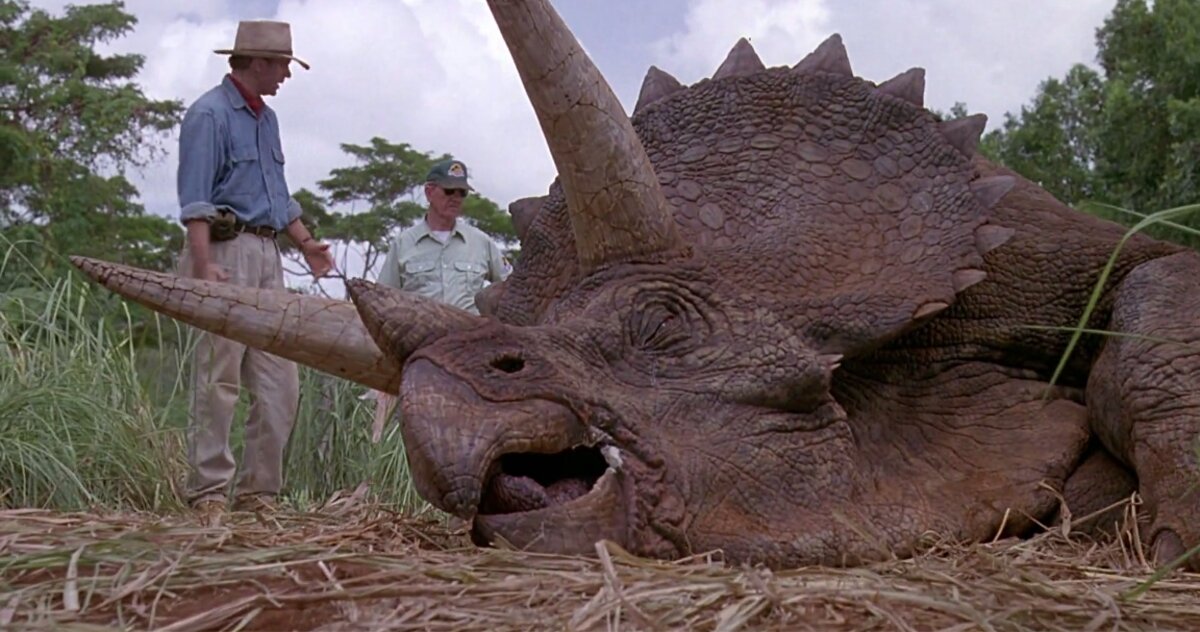
The best thing about Michael Crichton’s work is that with a minimal suspension of disbelief, you can immerse in his world. He provides enough details to create a believable fantasy.
Take gizzard stones, for example. Who would have thought that the cloned stegosaurus would need gizzard stones to grind the food? Or that they would get sick like this:
“We’ve had a difficult time with these stegos,” the vet said. “They’re always getting sick.”
“What are the symptoms?” Ellie asked. She scratched the tongue with her fingernail. A clear liquid exuded from the broken blisters.
“Ugh,” Lex said.
“Yes, yes,” Harding said. “Imbalance, disorientation, labored breathing, and massive diarrhea.” “Seems to happen about once every six weeks or so.”
He added these minor details, and they pay off big time by making these dinosaurs a living, breathing thing in our eyes.
We see them as complex living beings, and not as humongous thumping leathery creatures who just chew around all day.
Crichton provides graphs, charts, and code snippets. It makes you feel you are reading a deposition instead of a work of fiction.
Hammond, the Showman
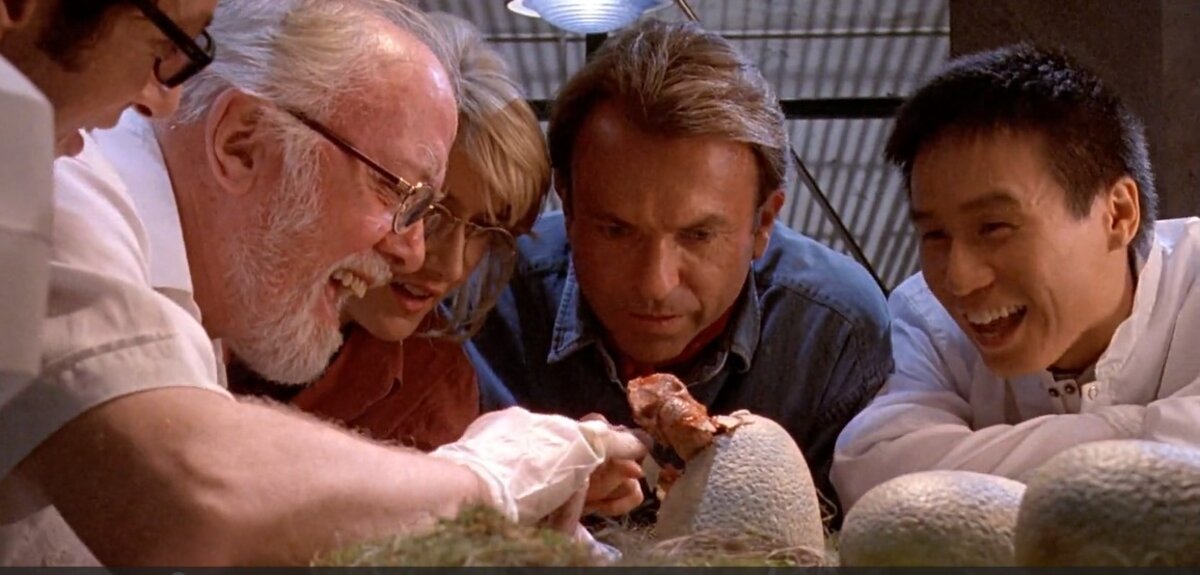
Then there is the cut-throat and misleading attitude of Hammond. Totally believable.
Hammond is a shady character who uses his grandchildren as props. Crichton uses him to portray unabashed pursuit of greed and ambition with no moral compass.
We come across businesses that claim to offer the best product.
“We spared no expense.”
Only when contracts have been signed, and you are way too deep to step out, you realize you have been had.
For example, Hammond has clearly cut corners despite proclaiming otherwise. His staff does not have SOPs and no contingency plans. They have not stress-tested their systems or conducted extensive trials. Whatever resources they had proved to be very little.
Hammond didn’t fully understand what he was dealing with. In his pursuit of profits and vanity, he fails to acknowledge his errors and failures. When their lives are in jeopardy, he does not recognize the precariousness.
How Talent Gets Burned
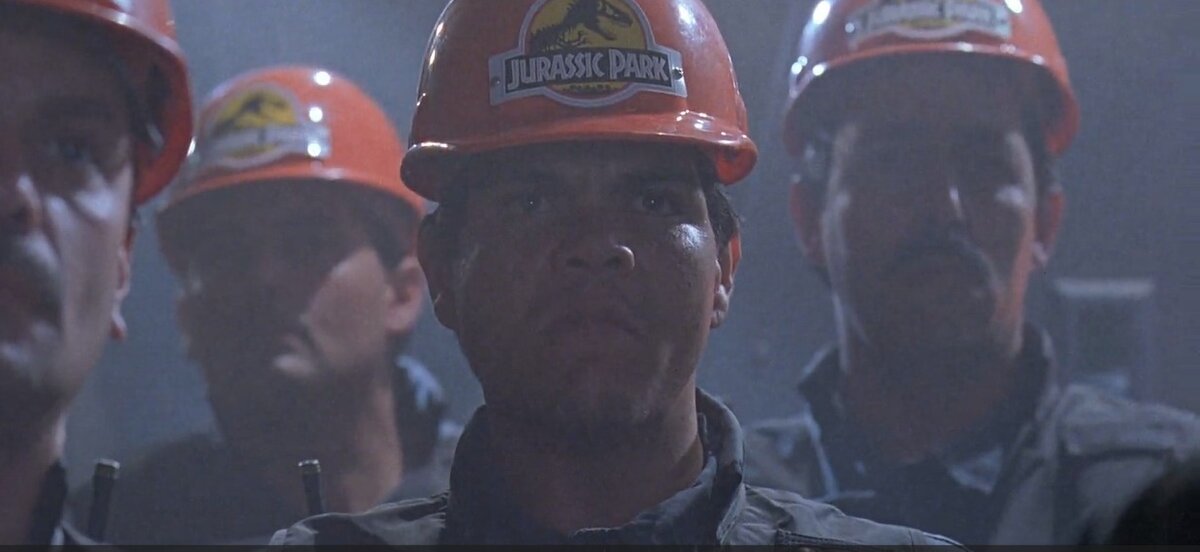
As the project approaches completion, he starts ignoring his star scientist, Dr. Wu.
Been there, done that.
An employee is useful until he wears out his usefulness.
That’s how talent is treated at most companies.
It reminds me of the following exchange from the TV show, The Wire.
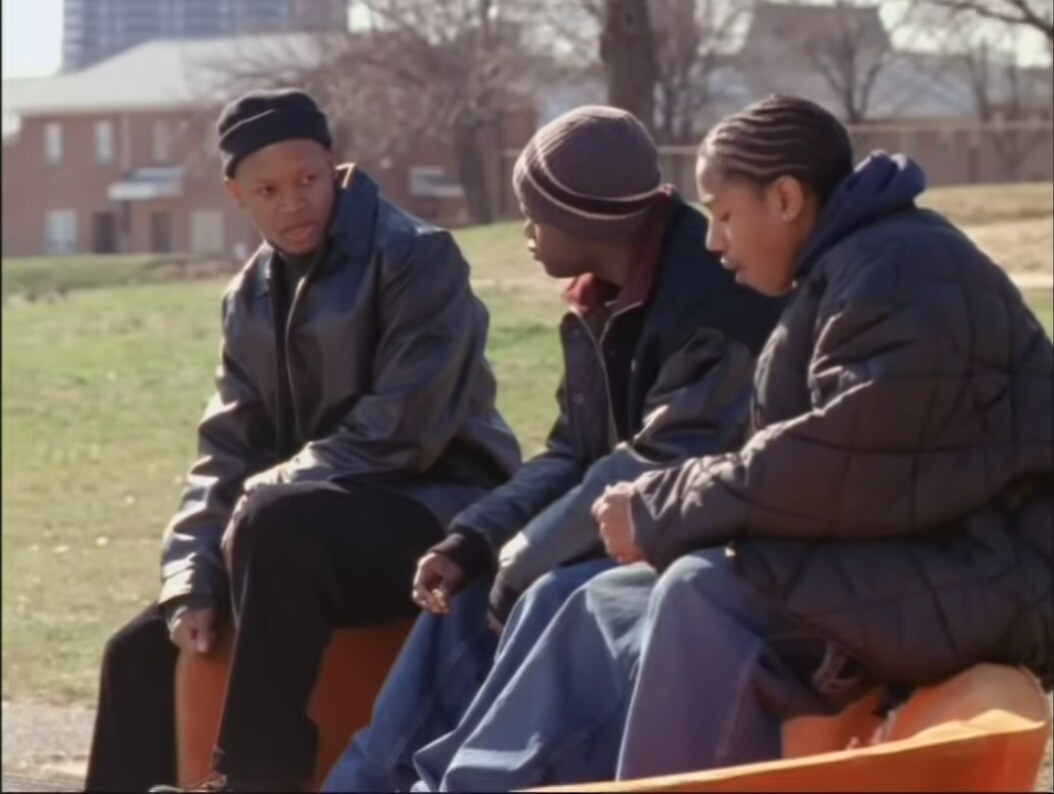
Wallace: Man, these shits is right. Yo.
Poot: Mm-hmm.
Wallace: It’s good with the hot sauce too, yo.
Poot: Most definite.
Wallace: Yo, D, you want some nuggets?
D’Angelo: Nah, go ahead, man.
Wallace: Man, whoever invented these, yo, he off the hook.
Poot: What?
Wallace: Mm. Motherfucker got the bone all the way out the damn chicken. ‘Til he came along, niggas be chewin’ on drumsticks and shit, gettin’ they fingers all greasy. He said, Later for the bone, nugget that meat up, make some real money.
Poot: You think the man got paid?
Wallace: Who?
Poot: The man who invented these.
Wallace: Shit, he richer than a motherfucker.
D’Angelo: Why? You think he get a percentage?
Wallace: Why not?
D’Angelo: Nigga, please, the man who invented them things, just some sad-ass down at the basement of McDonald’s, thinkin’ up some shit to make some money for the real players.
Poot: Naw, man, that ain’t right.
D’Angelo: Fucking “right.” It ain’t about right, it’s about money. Now you think Ronald McDonald gonna go down in that basement and say, “Hey, Mr. Nugget, you the bomb. We sellin’ chicken faster than you can tear the bone out. So I’m gonna write my clowny-ass name on this fat-ass check for you”?
Wallace: Shit.
D’Angelo: Man, the nigga who invented them things still workin’ in that basement for regular wage, thinkin’ up some shit to make the fries taste better, some shit like that. Believe.
Wallace: Still had the idea though.
Nedry was forced to sign an NDA and made to write software he was not given enough details about.
Of course, his software was going to fail. We get software bugs even when all the requirements are laid out clearly before any work has started.
I wonder, though, why Nedry was fixing bugs in the production code? Or why didn’t they run integration tests before deploying the system? I guess, like everything else, they also cut corners here.
Nedry, too, is not without his faults.
What did he think when he left the lodge in the pouring rain? He made a plan that was bound to fail. He fails and takes down the whole park with him.
He overestimated his genius, just like Wu and Hammond, and was unable to realize he was out of his depth.
The Movie Beat the Book
When comparing the movie and the book, I find the movie to be more entertaining.
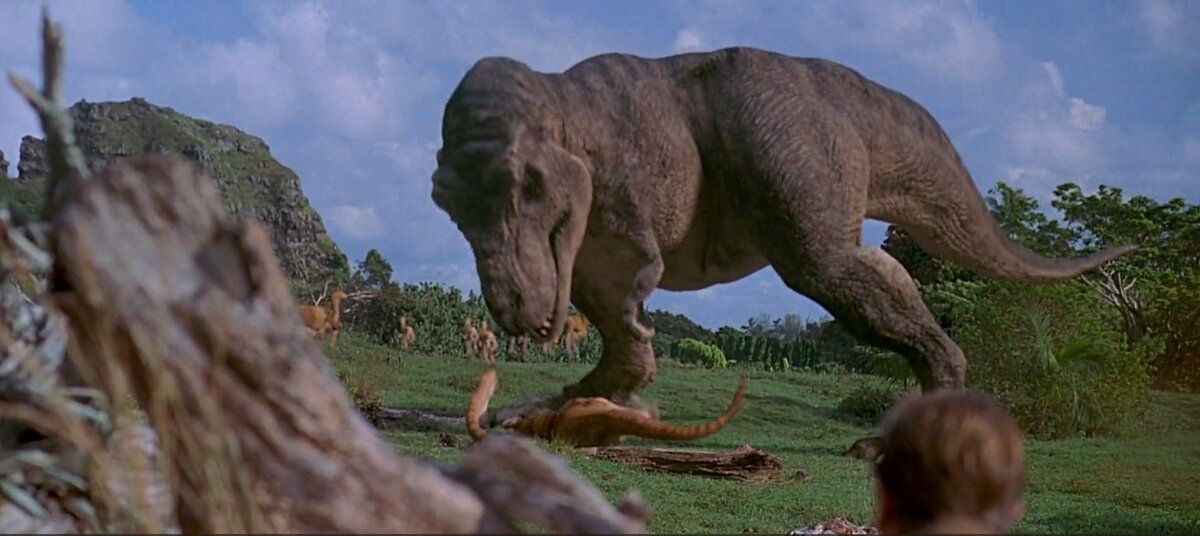
The movie version has only a five-minute exposition, the rest is full of action sequences. Its visual effects still hold to this day.
Hammond and the other characters are more believable in the movie. Their personalities, expressions, and cues portray the characters believably.
But if you are looking for detailed exposition and science, then pick up this novel.
What did you think of this post?